Contemporary Artist · St. Louis · Brussels · Los Angeles
Mixed-media assemblage — memory, identity & the American experience.
View Work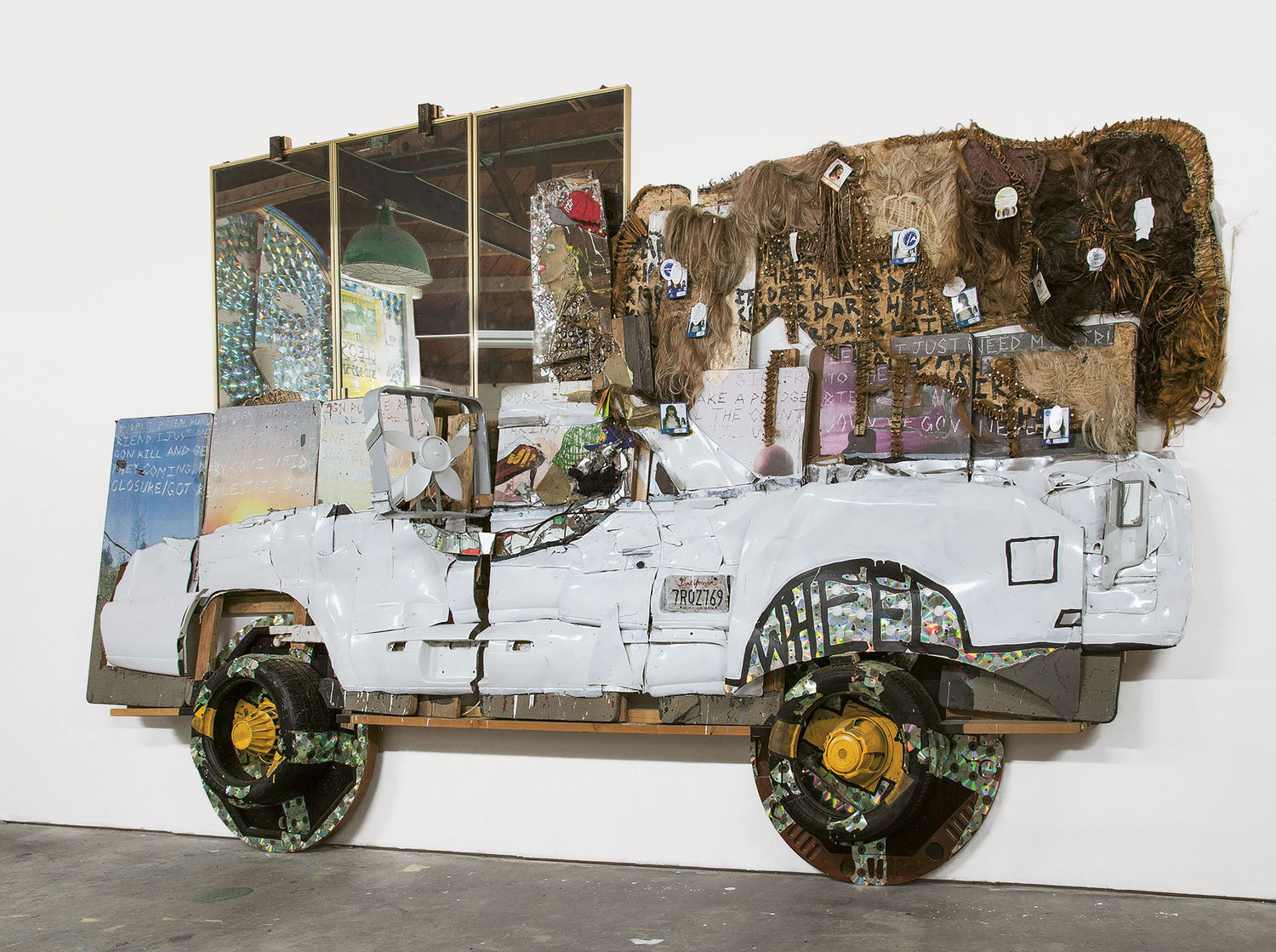 El Camino · 2016–17 · Hammer Museum, L.A.

Aaron Fowler (b. 1988, St. Louis, MO) creates monumental assemblage works from discarded found objects — car parts, hair weaves, CDs, ironing boards — transforming the overlooked into the sacred.
His layered, dense works address American history, Black identity, hip-hop, and deeply personal narratives of family and community. Drawing compositional cues from 19th-century history painting and religious iconography, he inserts concrete stories from his own life into grand visual tableaux.
A graduate of the Pennsylvania Academy of Fine Arts (BFA, 2011) and Yale University School of Art (MFA, 2014), Fowler has exhibited at the New Museum, Studio Museum in Harlem, Rubell Museum, Hammer Museum, Seattle Art Museum, and Anton Kern Gallery, among many others.


Fowler's debut at Anton Kern Gallery brought together a new body of work centered on family, grief, and catharsis. The title points to both liberation and letting go — works built from hot tub covers, car bumpers, and afro wigs form monuments to the people he loves, including a 36-foot painting celebrating his family's survival and resilience. Each piece is an act of speaking the future into being.
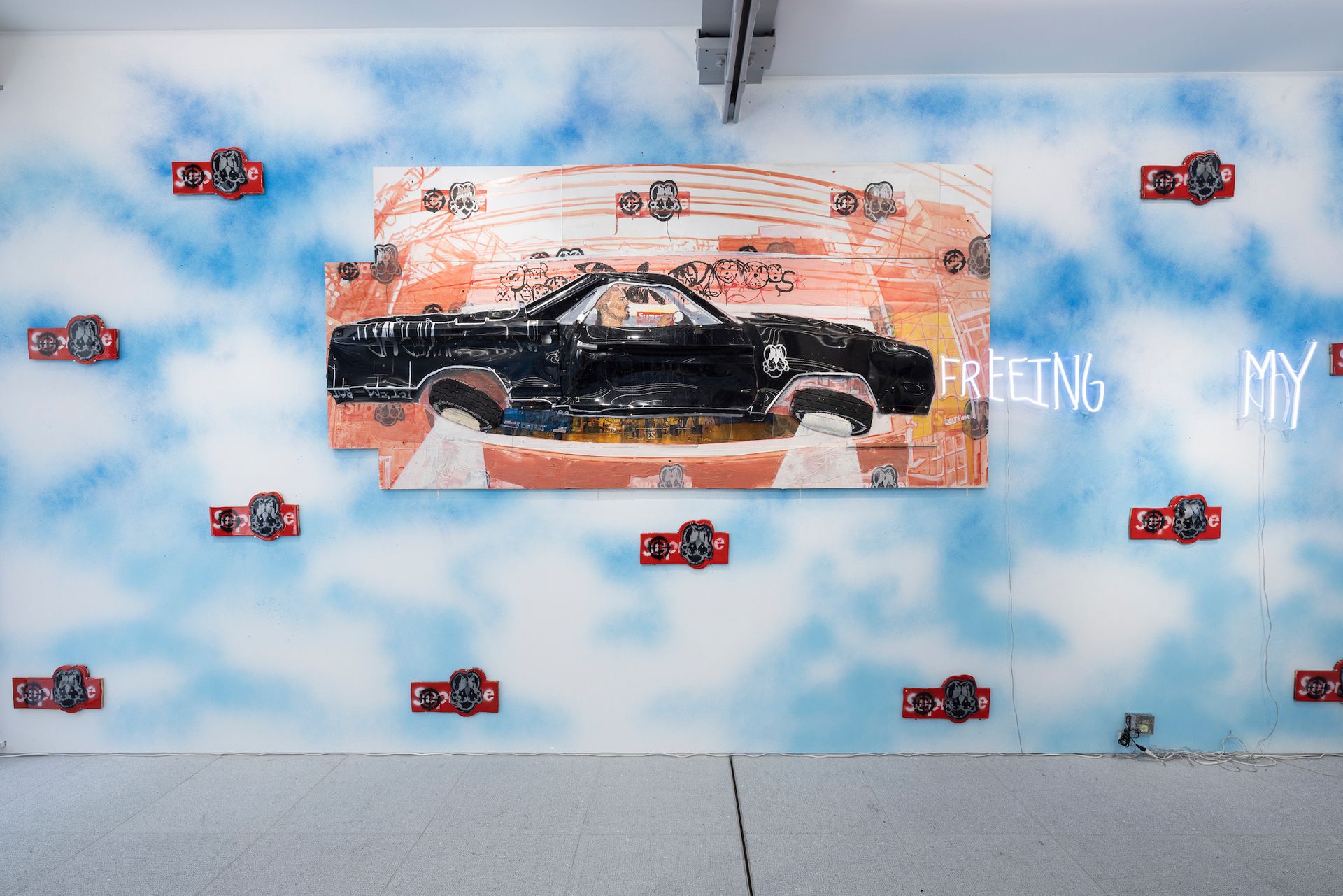
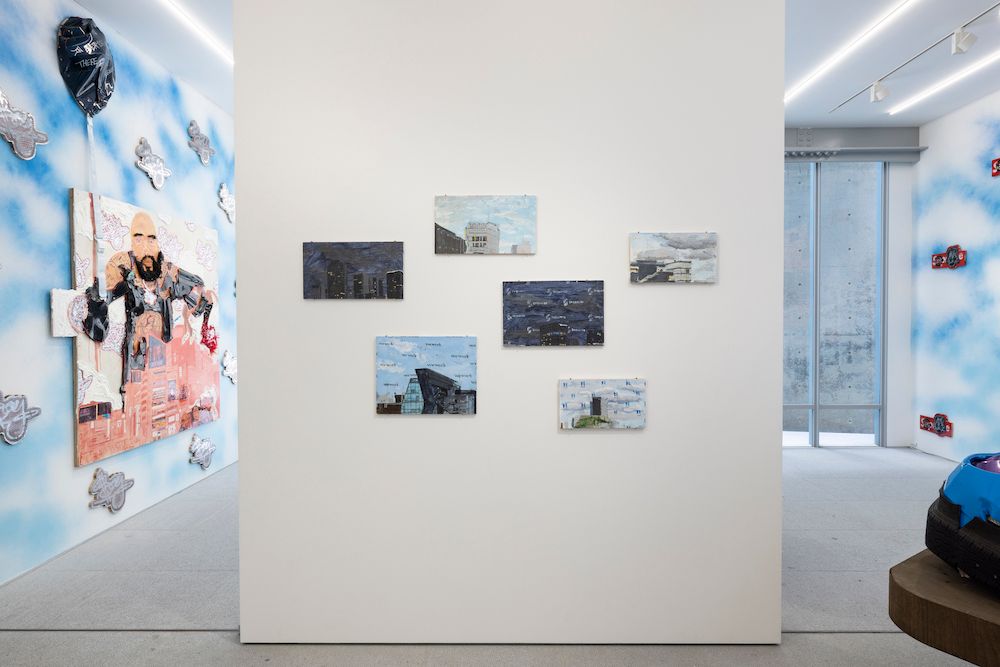
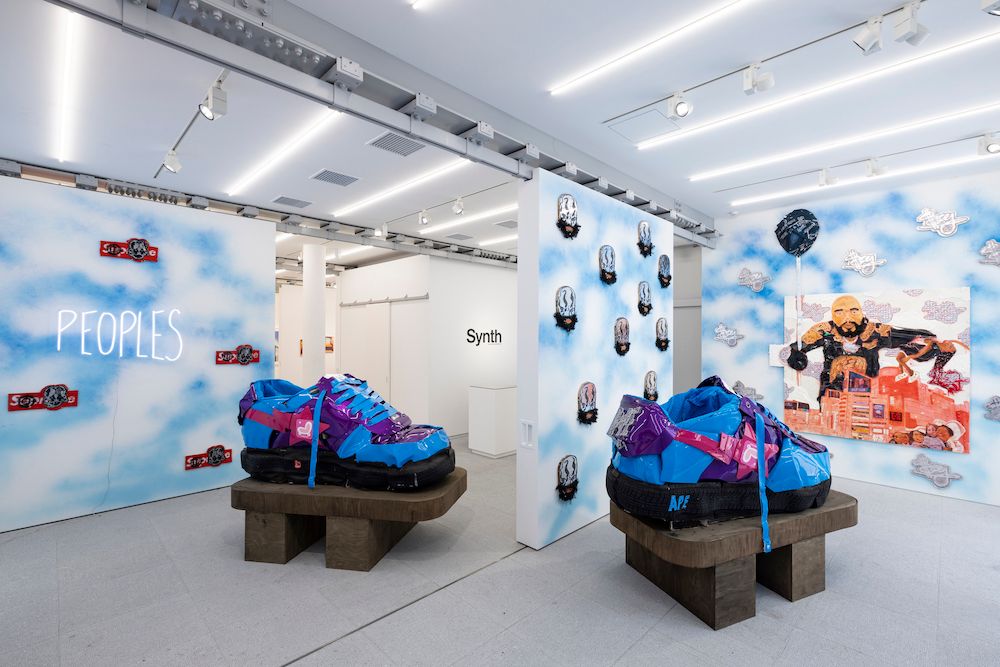
Selected for Synth, a group exhibition curated by Amadour at Gallery Common in Tokyo's Jingumae neighbourhood, Fowler contributed Freeing My Peoples (Featuring Chito) — a sprawling mixed-media panel extending over five metres with LED neon, car parts, and collaged imagery. The show marked his first presentation in Japan and continued his practice of building large-scale works from the streets around him, wherever he happens to be working.


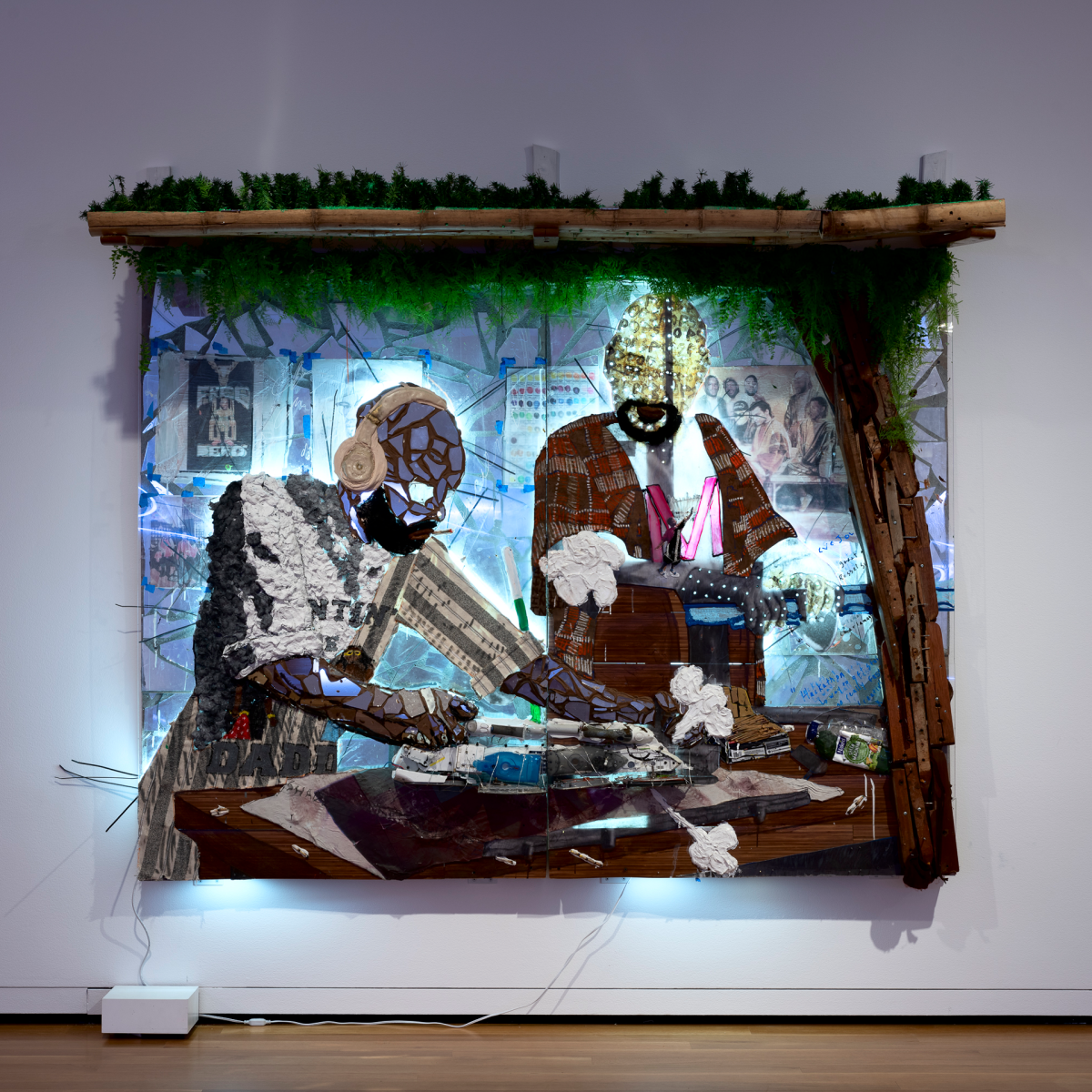

Winner of the Seattle Art Museum's Gwendolyn Knight and Jacob Lawrence Prize, Fowler filled SAM's gallery with four monumental works drawn from the personal to the universal. The title came from his grandmother's lifelong mantra — "you need to speak it into existence." From the two-sided amulet Debo Free, librating an incarcerated friend, to Me and Pops, a self-portrait of father and son building a future side by side, every work was a prayer made physical.


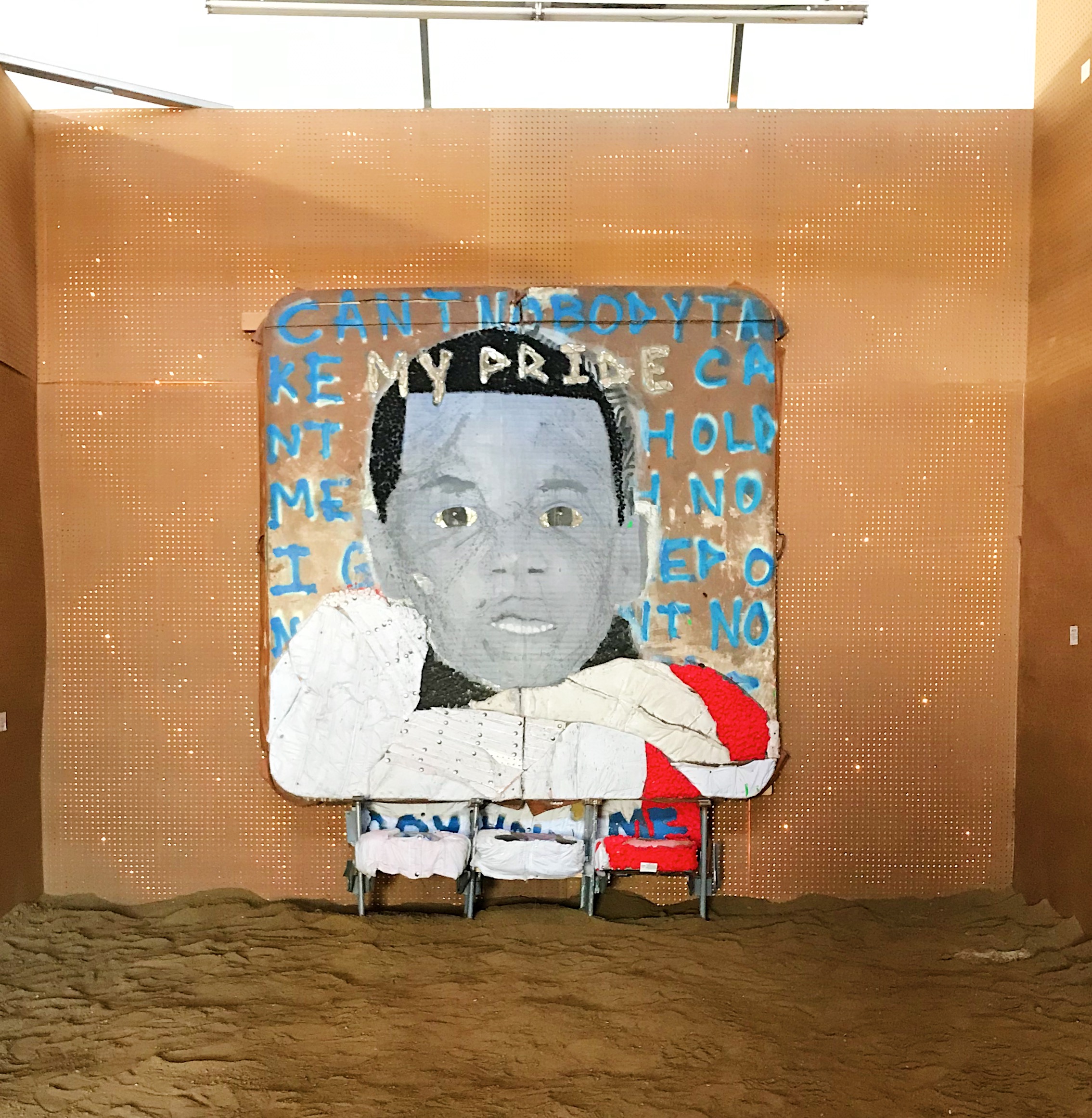
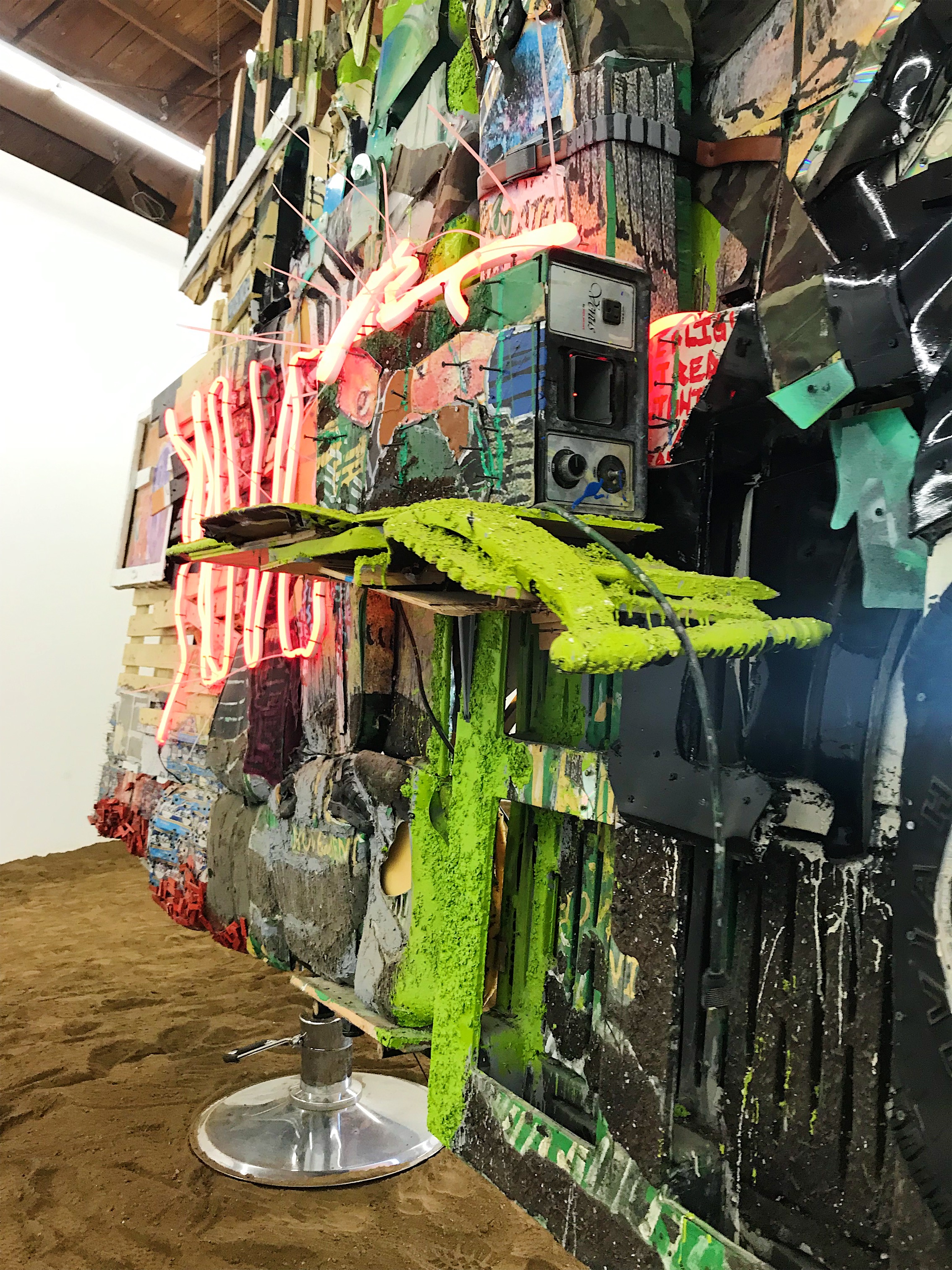
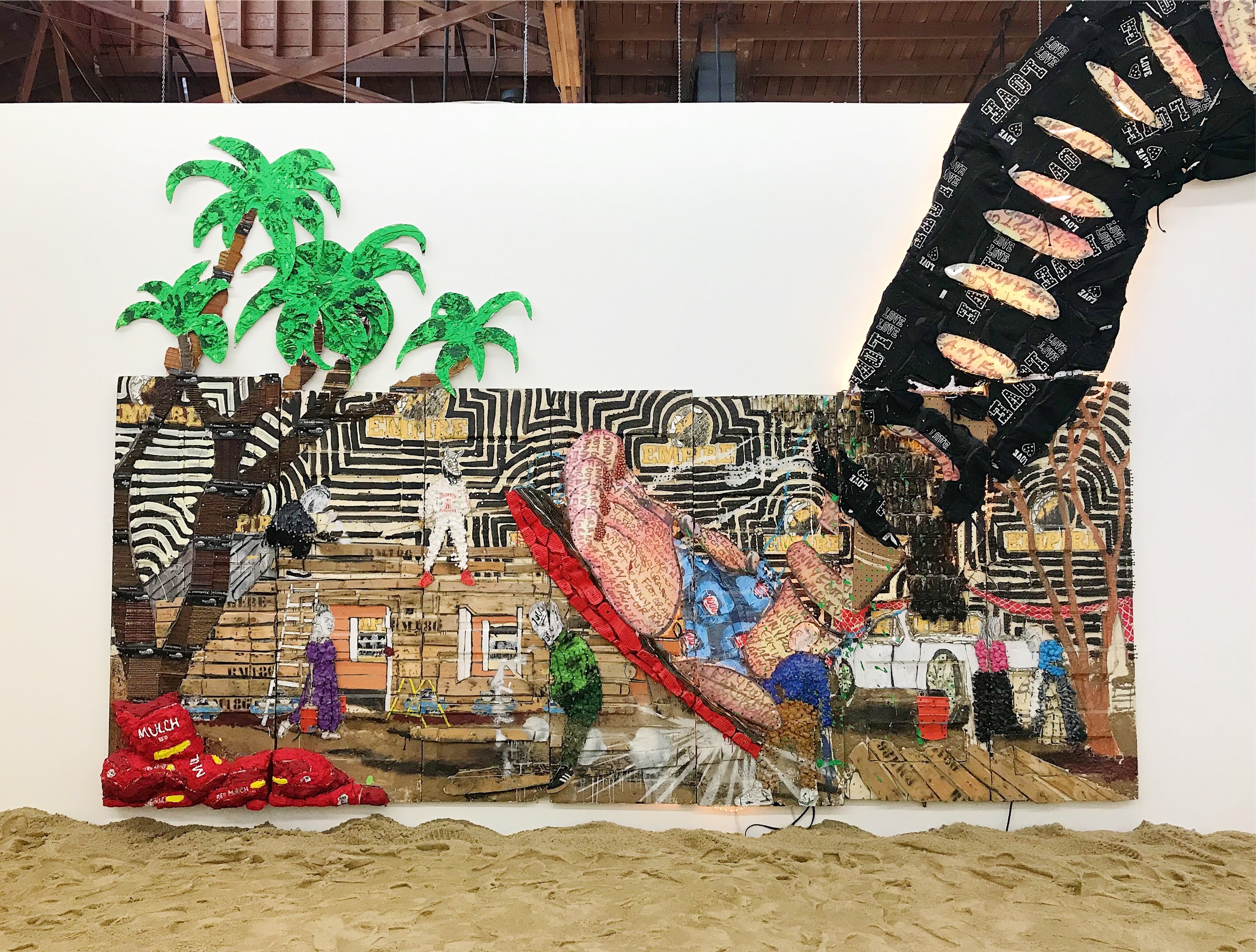
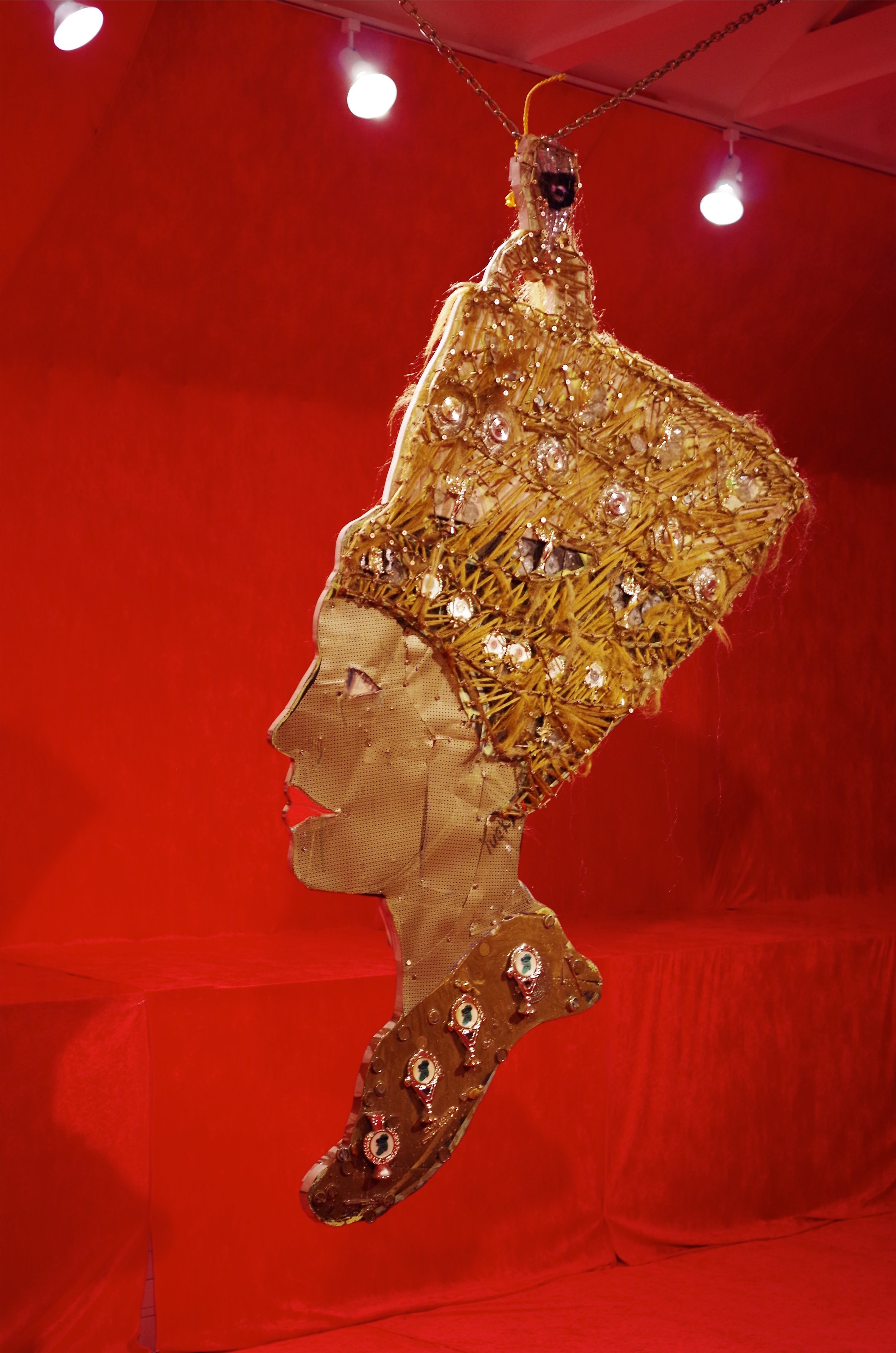
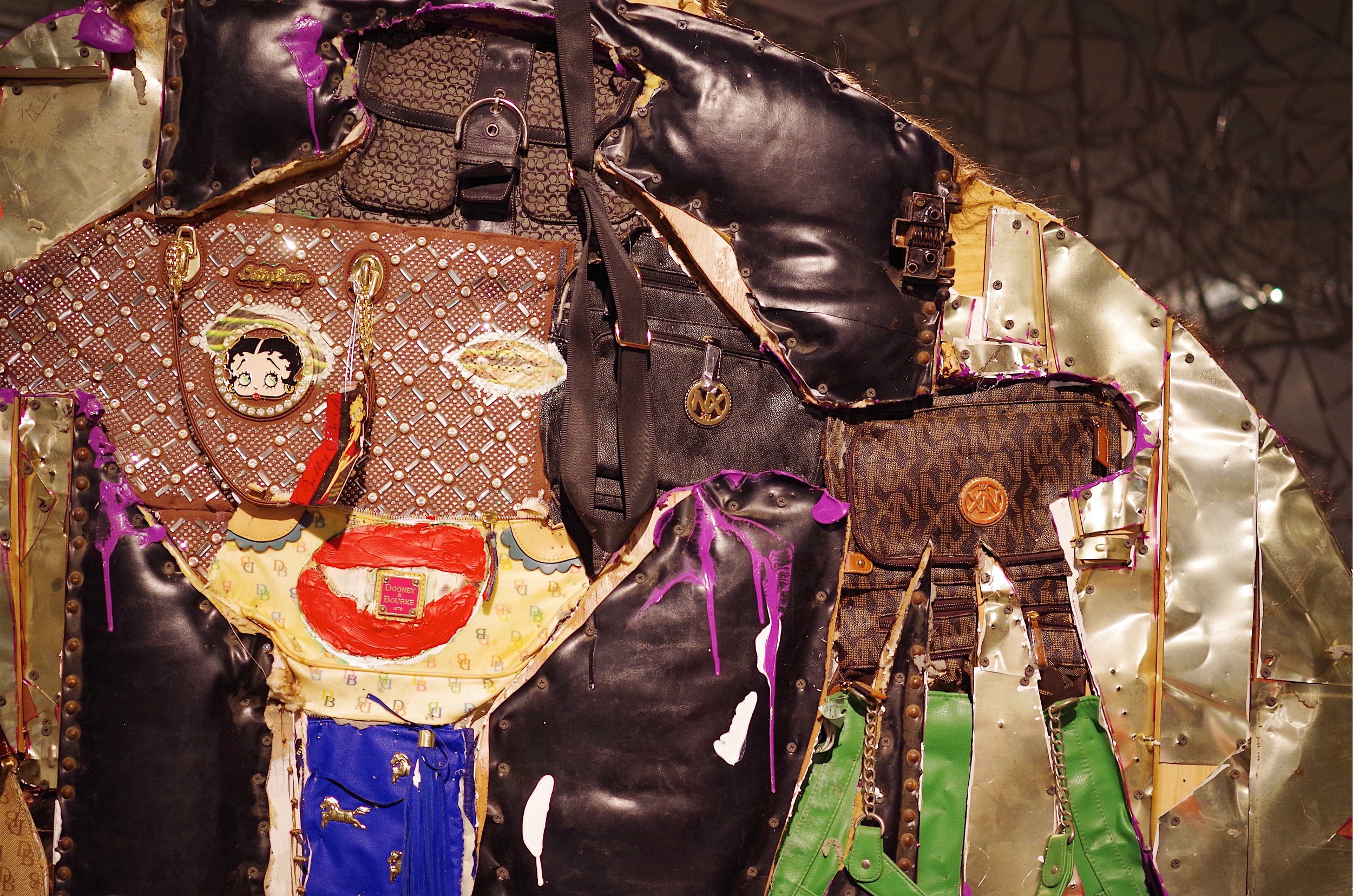
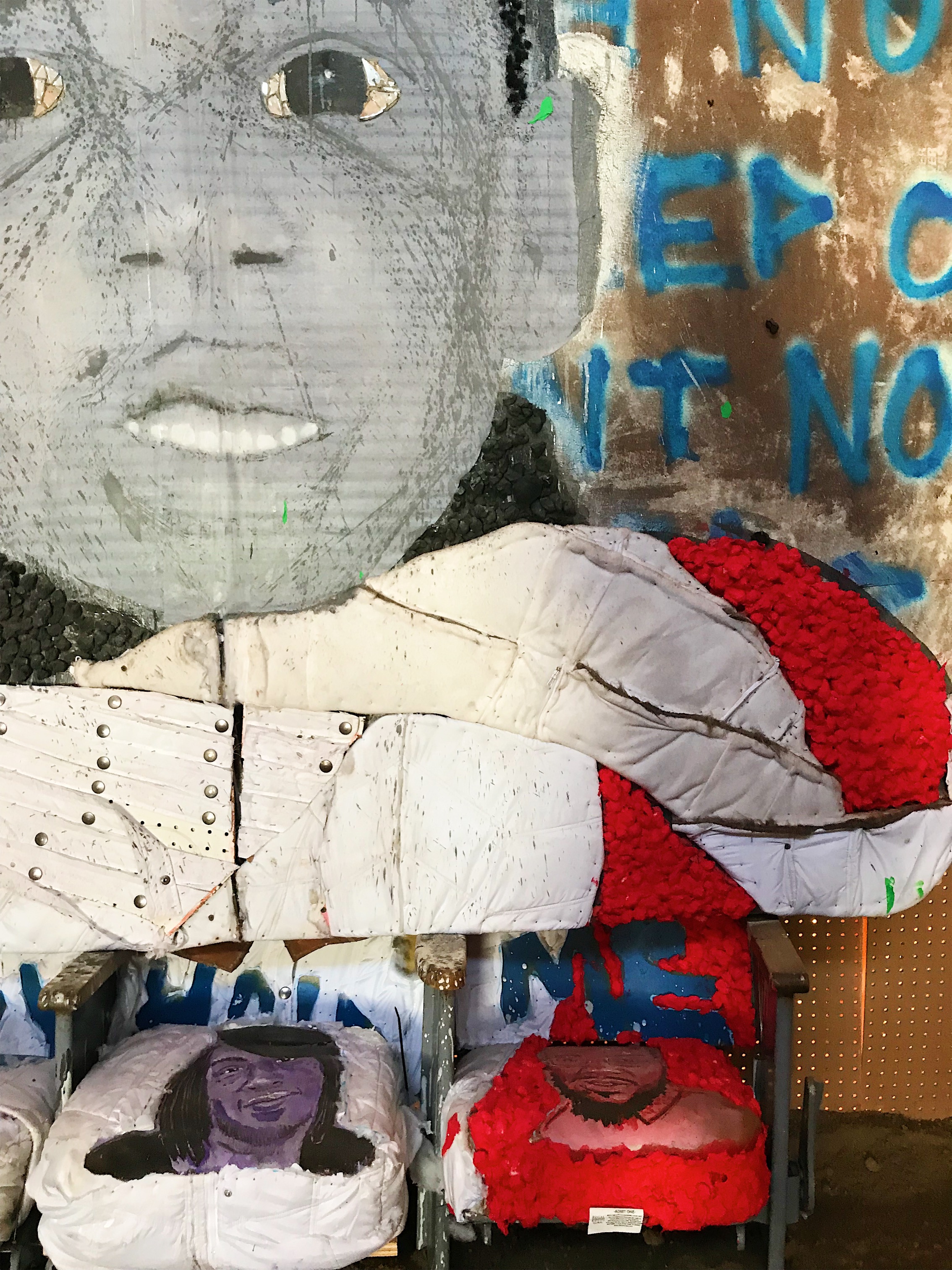
Unfolding across two Los Angeles galleries simultaneously, this two-venue exhibition was a proof of life — for the artist, his family, and his community. At M+B in West Hollywood, red velvet rooms held towering portraits of loved ones. At Ghebaly, sand-covered floors and a rotating LED sculpture spelled out MOVEMENT, depicting Fowler's brother heading West. Migration, aspiration, and the geometry of an artist's career all collided in a show as maximalist as the city itself.
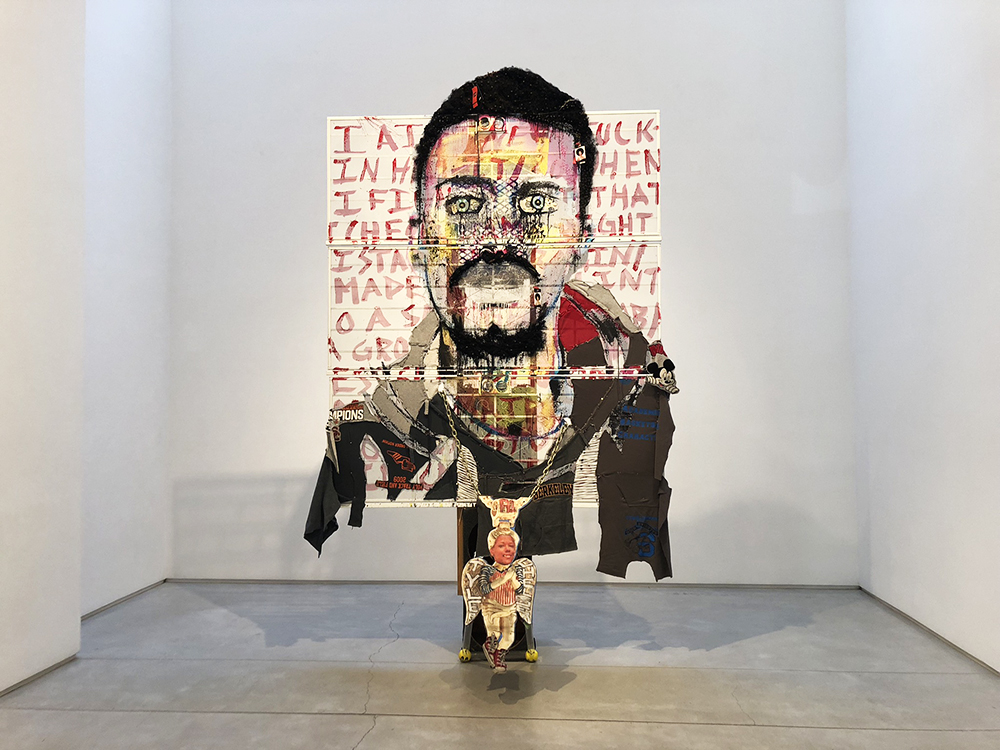

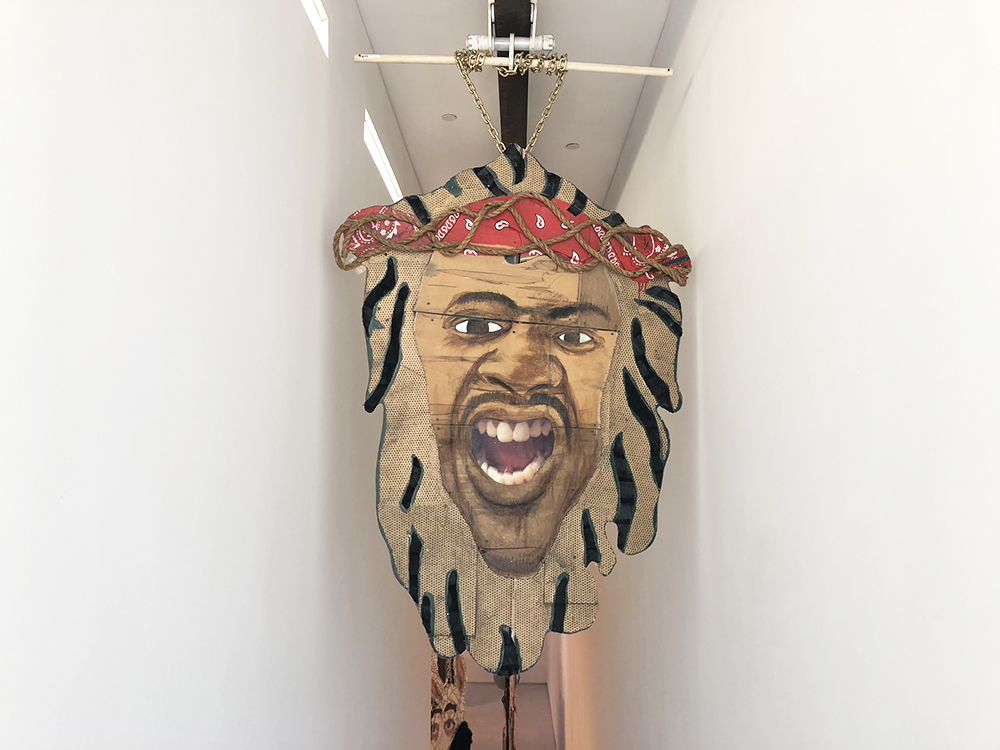
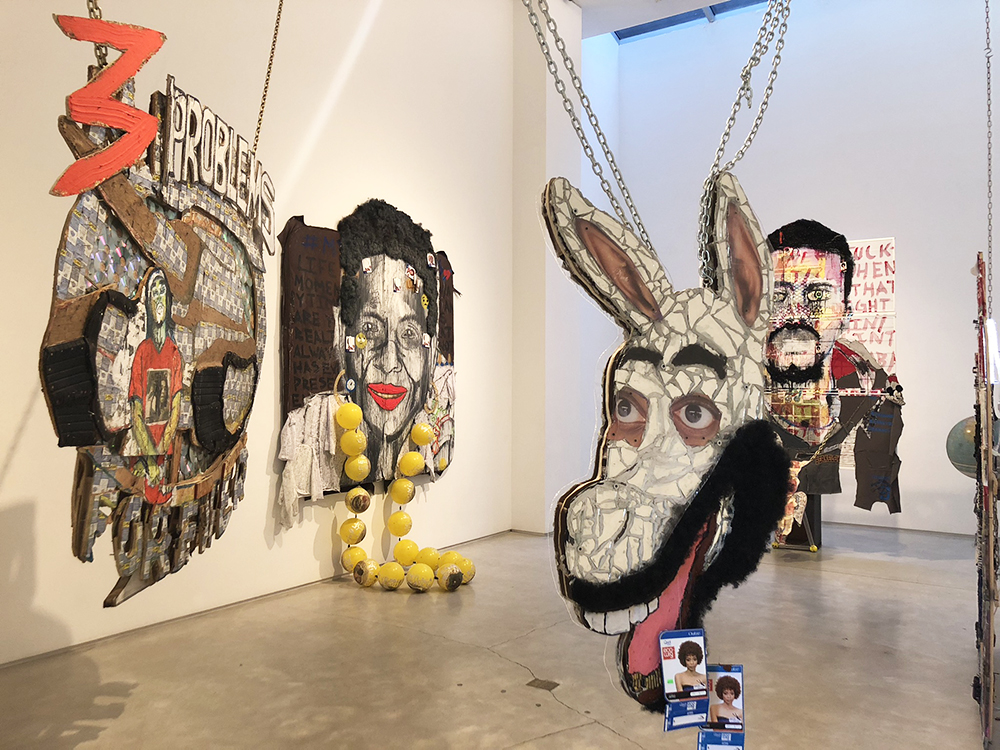
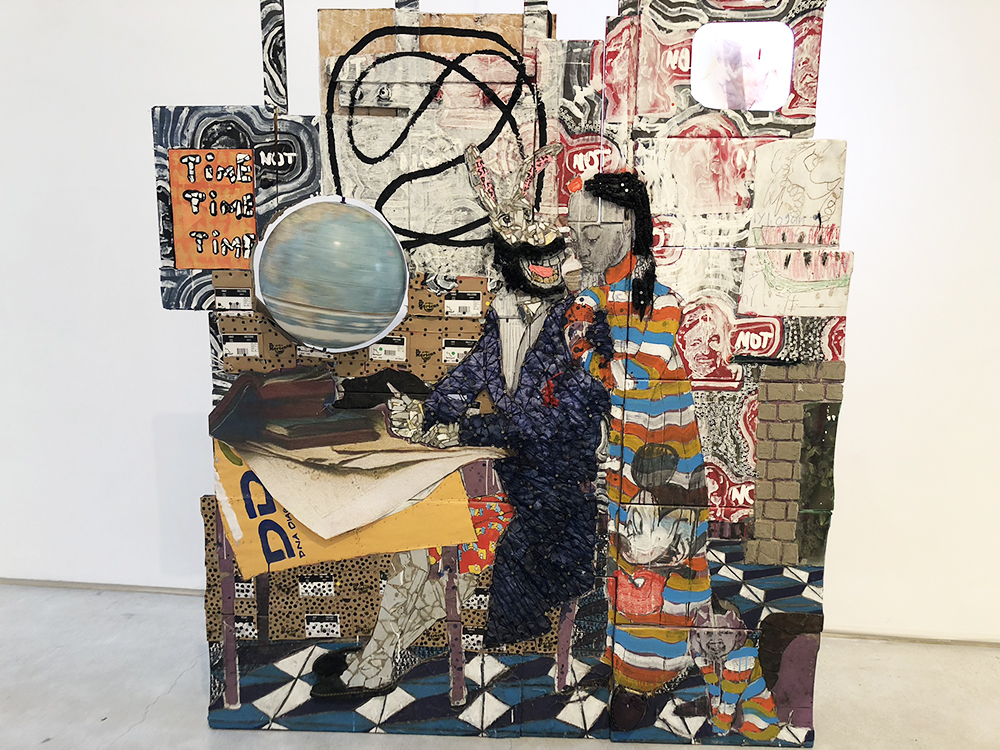
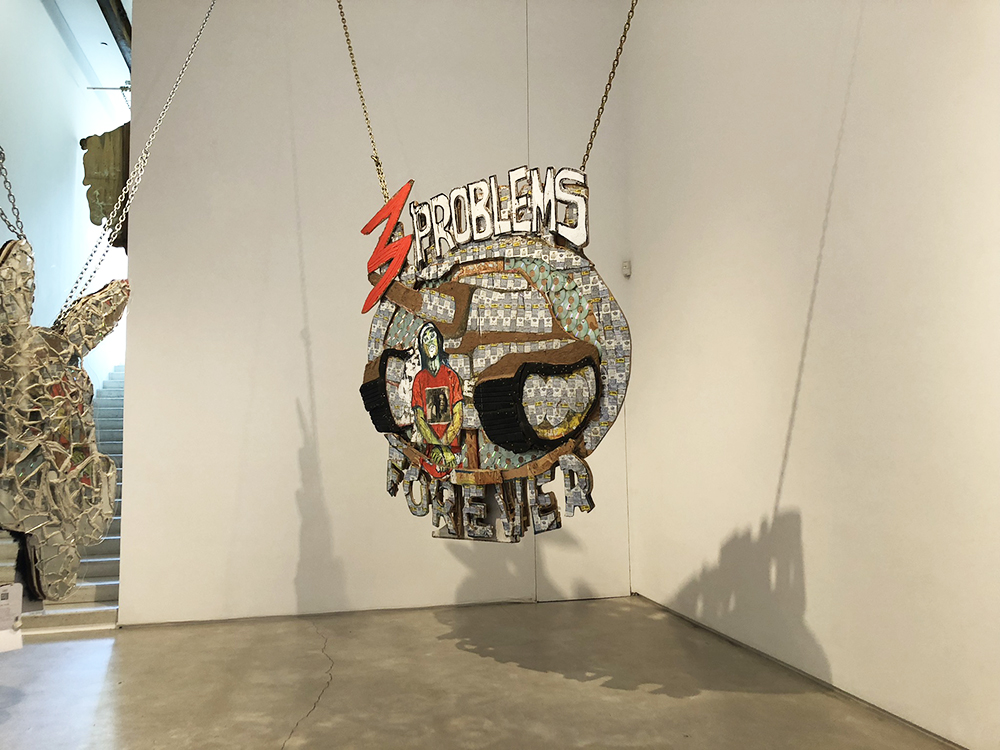
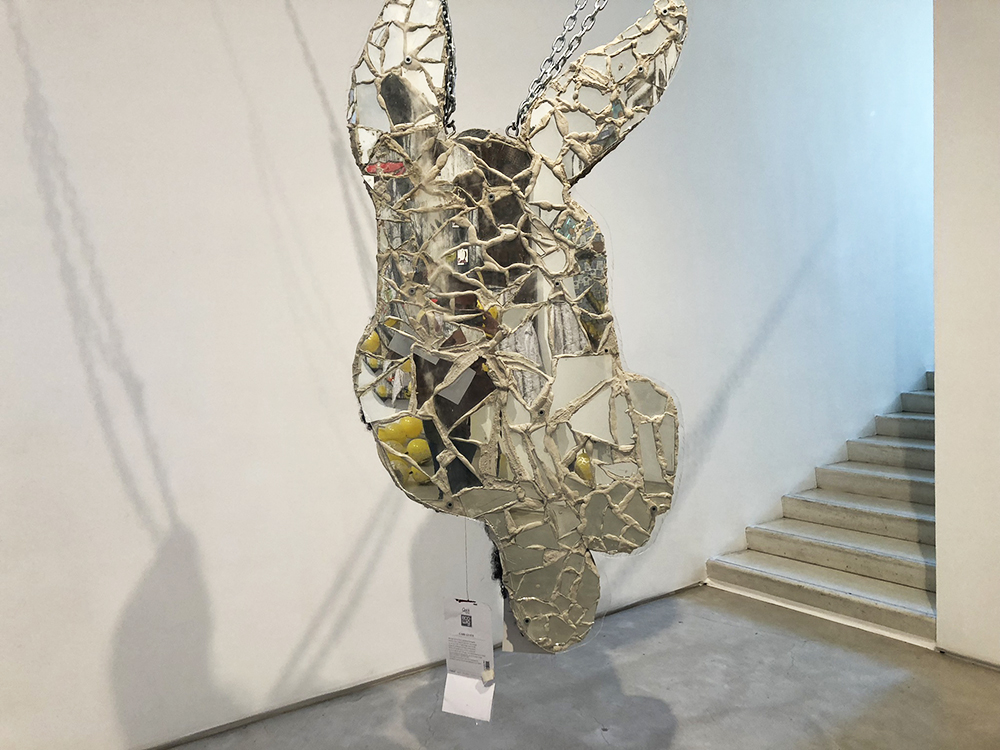
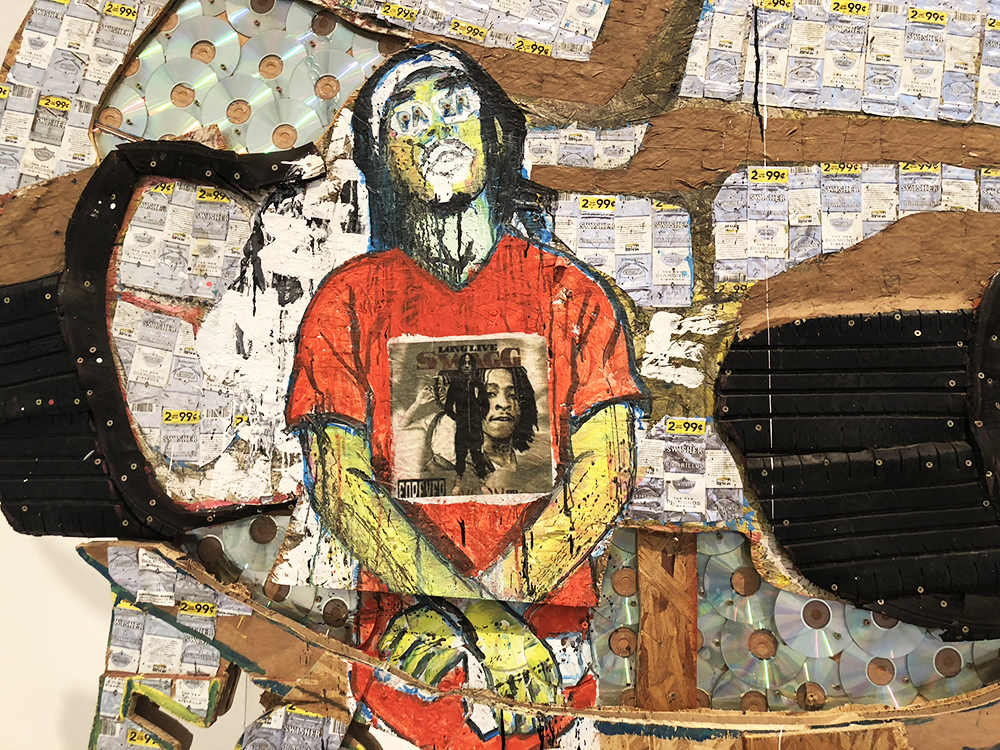
Presented at Salon 94 Bowery in the summer of 2018, Donkey Nights introduced New York to a new body of theatrical assemblage-paintings — altar-like constructions made from mirror shards, wigs, CDs, and cast-off furniture sourced from Fowler's surroundings in Harlem and Los Angeles. Portraits of the recently deceased, the incarcerated, and imagined heroes populated the works, each one a dense, urgent declaration of presence.
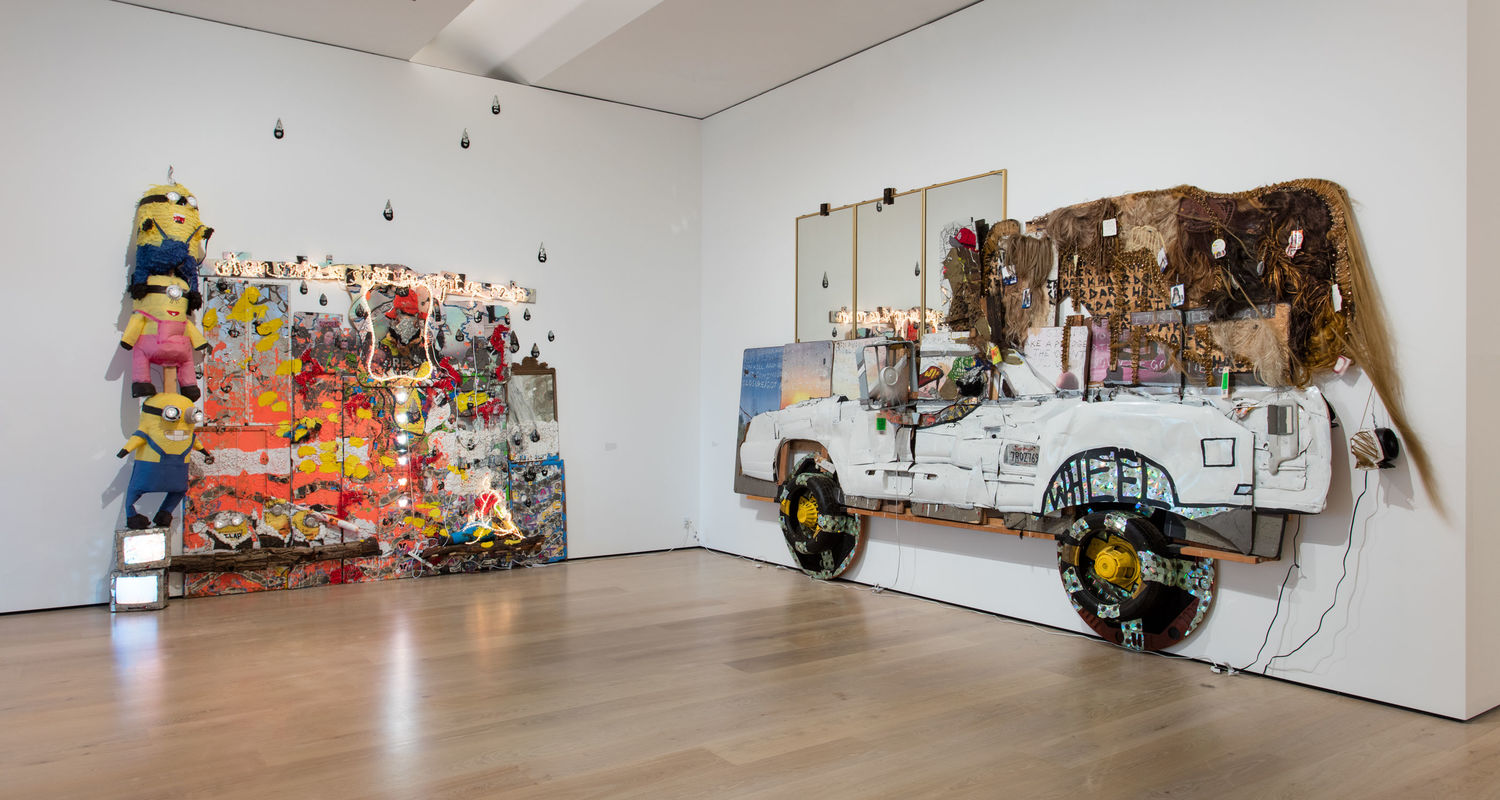
Fowler was one of a select group of artists chosen for the Hammer Museum's prestigious biennial of Los Angeles-based artists. He showed El Camino — a hybrid of a Chevrolet El Camino and a covered wagon, loaded with car parts, mirrors, CDs, and speakers — alongside When Rain Is Right I'm As Right As Rain, a multi-part assemblage culminating in a paint-filled piñata smashed open live, neon orange exploding across the work.


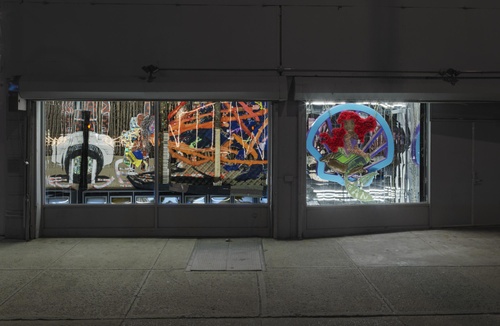
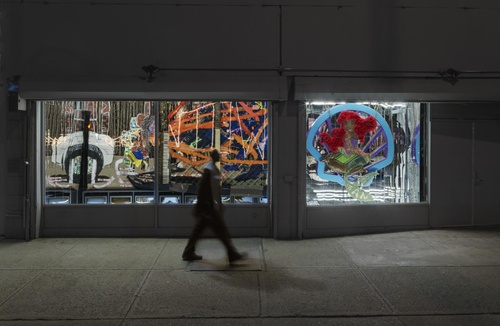
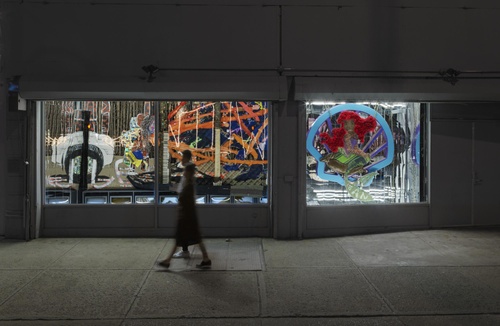
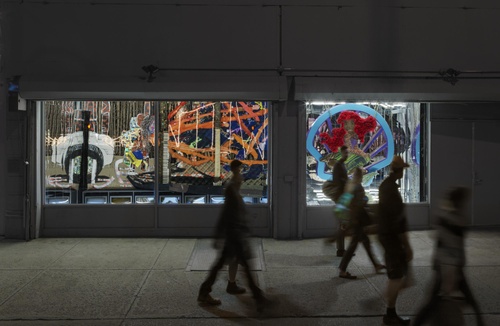
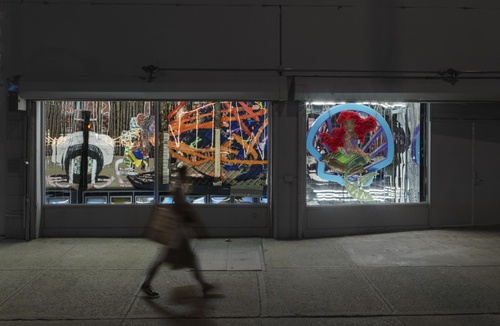
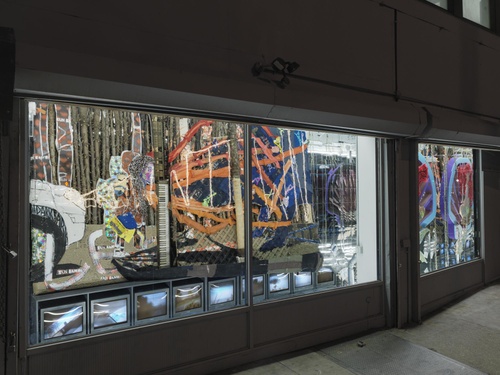
Fowler's first solo museum presentation transformed the street-facing windows of the New Museum's 231 Bowery building into a living portrait. Lex Brown Town honored his Yale classmate and collaborator Lex Brown, rendered in hair weave, piano keys, and a Minions backpack; Miss Logan depicted a young girl he once believed was his daughter, painted as a mermaid the day they met. The title, drawn from a Big Sean song, spoke to forces larger than any individual — the materials, the relationships, the grace.


Commissioned for Jacob Lawrence: Lines of Influence at the SCAD Museum of Art, this monumental installation was a tribute to Fowler's mother — a single parent who raised three children in St. Louis while working at Hertz for nearly two decades. Twenty ironing boards, family photographs, LED rope lights, and a stuffed donkey filled the room, recreating the interior of her home. The message — "You deserve it Mama" — was spelled in reverse with rope lights along the edges, a prayer the artist felt certain would come true.
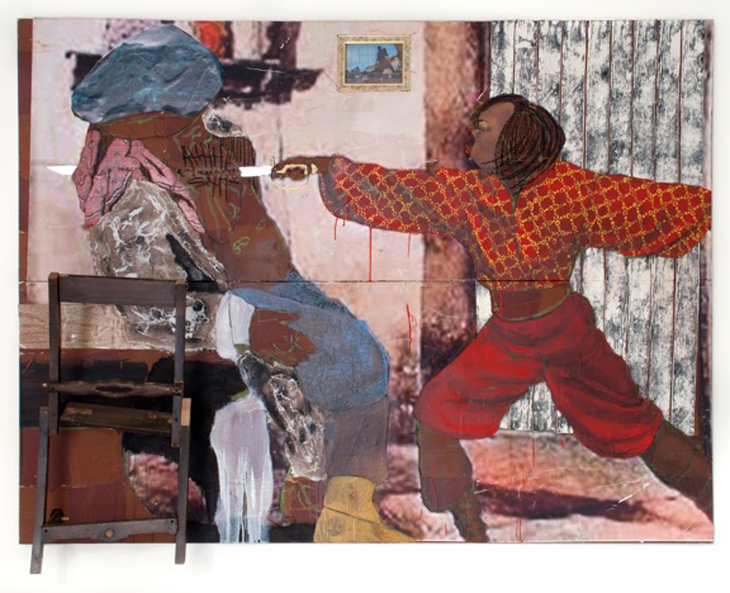
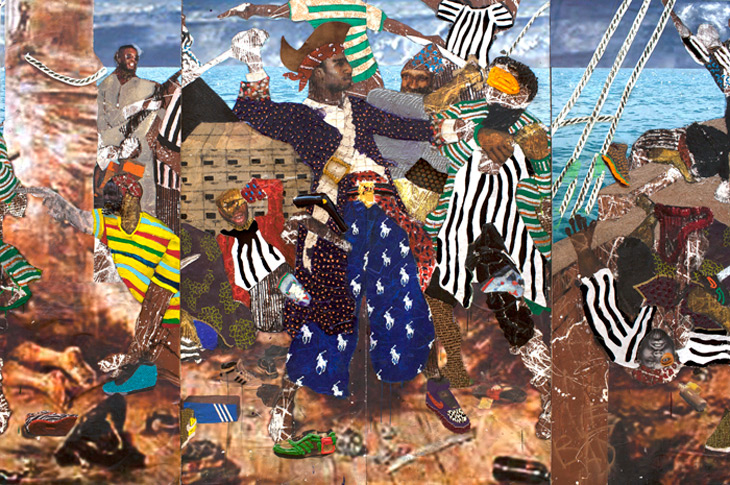

Fowler was selected alongside twelve international artists for this group exhibition at Saatchi Gallery London, which brought together practices defined by material invention and resistance to convention. His early mixed-media panels — including Tough Love and Untitled (Foot Locker) — introduced London audiences to his language of layered found objects, painted doors, and collaged surfaces pulled from urban life in St. Louis and New York.


The Rubell Family Collection in Miami was among the first major institutions to acquire Fowler's work, recognising his practice early in his career. The three works in their collection — dense, large-scale assemblages built from found materials — announced the scale of his ambition and the depth of his personal iconography, establishing the foundations of a practice that would go on to fill museum galleries across the United States.